
the invisible curriculum
on soft skills, self trust and the architectures of finished work

Here’s what no one tells you when you start taking your creative work seriously: most of what you’ll need to learn isn’t technical. It’s not just scales, plugins, grammar, or gear. It’s not even creativity, strictly speaking—not the spark, not the vision, not the technique. It’s the conditions under which creativity becomes possible. And those—frustratingly, beautifully—are mostly invisible.
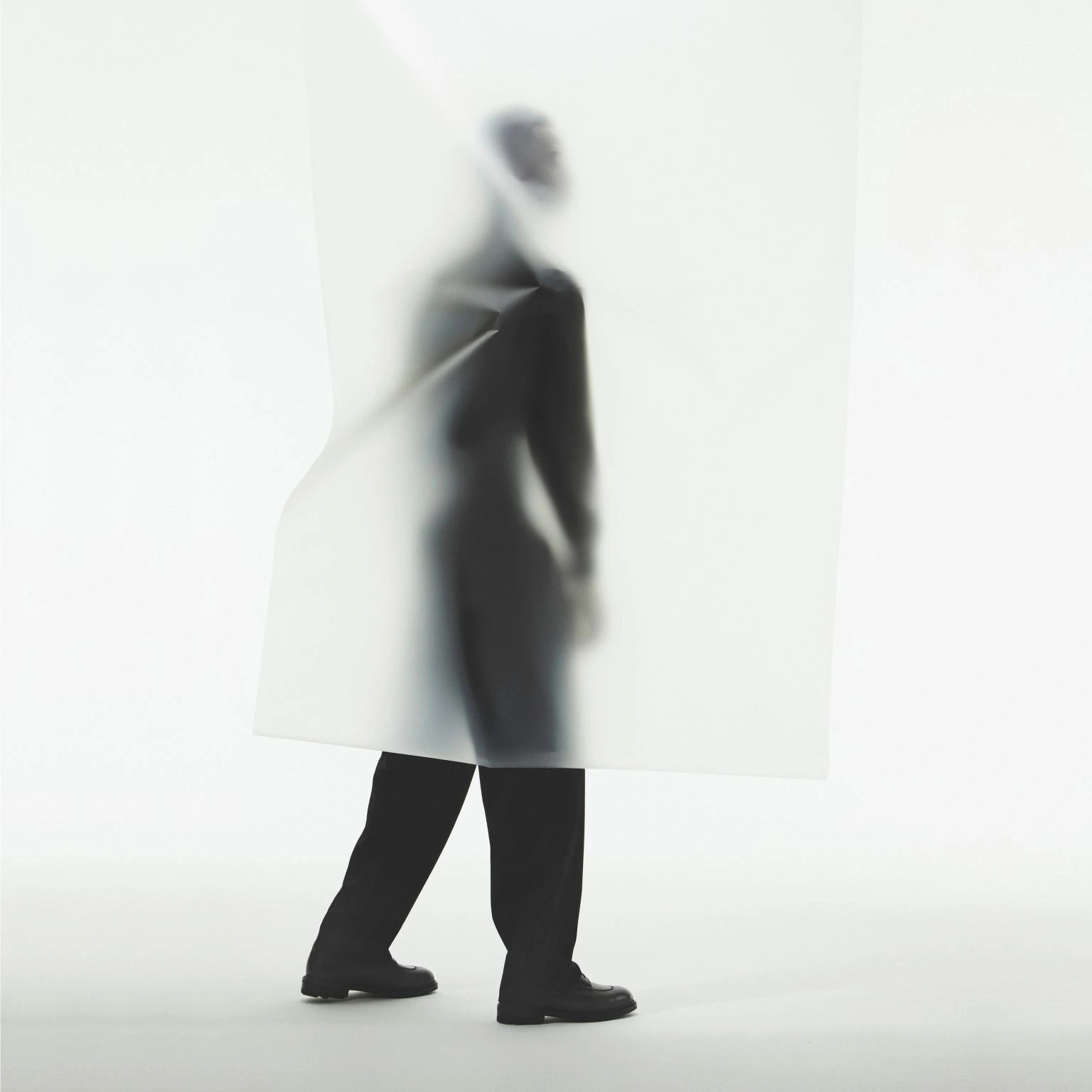
The invisible curriculum is the unspoken, unofficial education that determines whether or not you can actually sustain a creative life. It’s everything no one teaches but everyone needs to know: how to keep working when you feel like a fraud; how to protect your best hours from the chaos of the rest of the day; how to recognize the early signs of burnout before they calcify into disaffection; how to tell whether you’re procrastinating out of fear, or whether your body is simply asking for rest. These are not skills you’ll find in a software manual or a course outline. But they’re the difference between a six-month sprint and a six-year practice.
Educational theorists have long acknowledged this idea in more formal settings. Basil Bernstein called it the hidden curriculum: the unofficial norms and internalized rules that govern how learning actually happens beneath the surface. In creative work, the hidden curriculum isn’t just about classroom dynamics or institutional codes—it’s about the psychological infrastructure you slowly build, or fail to build, while navigating your own ambitions, anxieties, and attention. It’s the quiet, ongoing work of learning how to manage your inner weather.
For me, the most important breakthroughs haven’t come from mastering new tools or techniques, but from reckoning with harder questions: Can I stay with ambiguity a little longer, instead of reaching prematurely for clarity? Can I tolerate boredom without immediately trying to optimize or distract myself? Can I trust myself enough to say no to the wrong projects, even if they come dressed as opportunities? These aren’t signs of talent or maturity—they’re just skills. You can learn them. Often the hard way, sometimes with help, but always through repetition.
Psychologist Mihaly Csikszentmihalyi, whose research on flow remains a touchstone for many of us, argued that creativity isn’t simply a matter of inspiration or output—it’s a function of how we manage attention over time. He described creative people as having “complex personalities,” but what he meant was their ability to tolerate paradox: to balance openness with discipline, solitude with collaboration, intuition with structure. That balancing act doesn’t come naturally. It’s something you train.
Which is why I keep returning to the idea that your process isn’t just about making work—it’s about building a system that can hold your work. You need infrastructure. You need patterns, rhythms, ways of being that can carry the weight of your attention when motivation disappears. A studio setup is one kind of infrastructure, but so is a set of habits, a morning routine, a refusal to schedule meetings before noon. So is the ability to take a walk instead of checking your metrics.
This newsletter is one version of that infrastructure. So are the courses and templates I make. They’re not about tips or tricks or productivity hacks. They’re about helping you build something that lasts—something you can return to when things feel uncertain. Because the real secret of creative work is that it’s not about inspiration. It’s about return. And if no one else is teaching you how to do that, I will.
So what does it look like in practice—this invisible curriculum?
It’s rarely dramatic. You won’t get a certificate when you pass a module. No one will applaud when you learn how to manage your energy better, or when you finally stop doom-scrolling and get out for a walk instead. But these subtle shifts in how you approach your work will change everything about what you’re able to sustain.
The first touchstone is attention management, which is not the same thing as productivity. It’s not about squeezing more from your hours—it’s about guarding the moments when your mind is clearest and most alive. For some people, that means creating a morning ritual that protects the first hour of the day. For others, it means limiting input: fewer tabs, fewer voices, fewer algorithmic cues. Creative attention isn’t just something you use—it’s something you train.
Closely tied to that is emotional regulation. Creative work will regularly push you into states of doubt, vulnerability, and confusion. Knowing how to stay with those feelings—without spiraling into avoidance or self-sabotage—is a foundational skill. You don’t need perfect confidence to keep going. You need tools for navigating discomfort: reframing negative self-talk, separating identity from outcome, recognizing when the critic in your head isn’t actually telling the truth.
Then there’s energy mapping—the quiet discipline of observing your own rhythms. When do you actually do your best work? When do you start to fade? What kind of tasks drain you, and which ones replenish your focus? Learning to notice these patterns and schedule accordingly is a way of designing around your body and mind, not in spite of them.
Boundary-setting is another pillar. That might mean saying no to social plans that interrupt your flow, or not checking email before your creative work is done for the day. But it also means learning when to stop. You are allowed to leave the studio with something unfinished. You are allowed to let a project breathe. Pushing through fatigue is sometimes necessary, but so is the ability to rest without guilt.
Finally, there’s discernment. Not every idea needs to be followed. Not every opportunity is for you. Learning to feel the difference between resistance and intuition is one of the hardest parts of this work. The goal isn’t to say yes to everything—it’s to recognize what feels aligned, even if it scares you, and to let go of the rest.
None of these skills are especially glamorous. They don’t show up on résumés or portfolios. But they’re what make the work possible. They are the scaffolding behind the scenes—the shape that holds the shape.
If you want to deepen any of these, that’s where the real work of process begins. My suggestion? Don’t start with a new app or a fresh set of goals. Start with observation. Track how your attention moves across a morning. Notice what derails you, what restores you, what makes time feel expansive. That’s your curriculum. The rest builds from there.
Thank you for reading.